
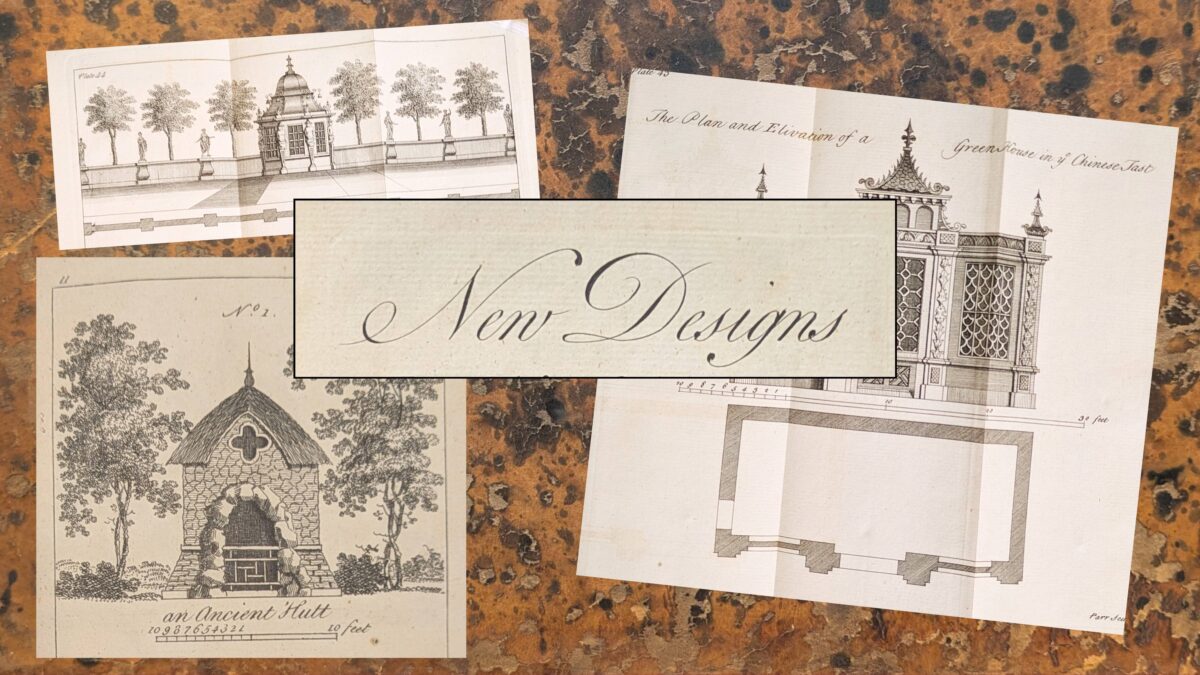
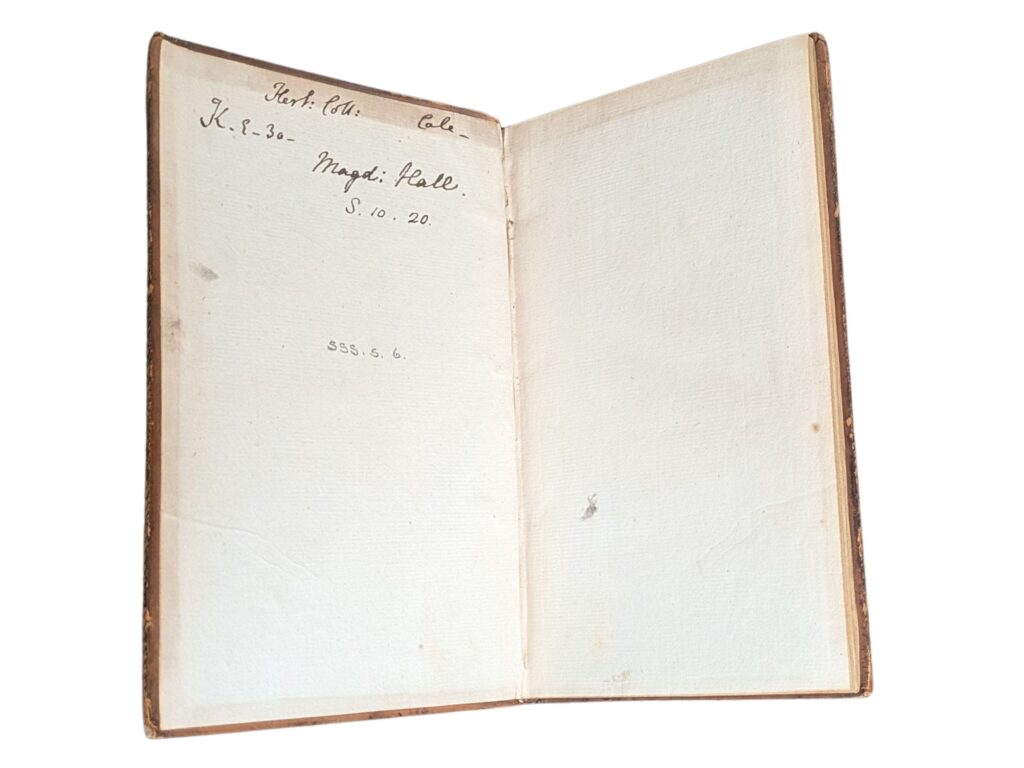
Among the varied subjects covered in Hertford’s rare books collection are a number of books on architecture. It’s not unusual to find classic editions of art and architectural works in Oxford College libraries – there are numerous copies, for example, of Renaissance architect Andrea Palladio’s Four books on architecture (Quattro libri dell’architettura) located in Oxford alone (including an English translation of 1721 at Hertford). Whether books were actively collected in this area at Hertford (or within the Magdalen Hall collections which Hertford acquired) is a little hard to tell, but what is clear is that the collection brought together by John Cale, barrister, and alumnus of Hart Hall (see previous blog posts) contained carefully chosen works which are more unusual to find in academic or university libraries.
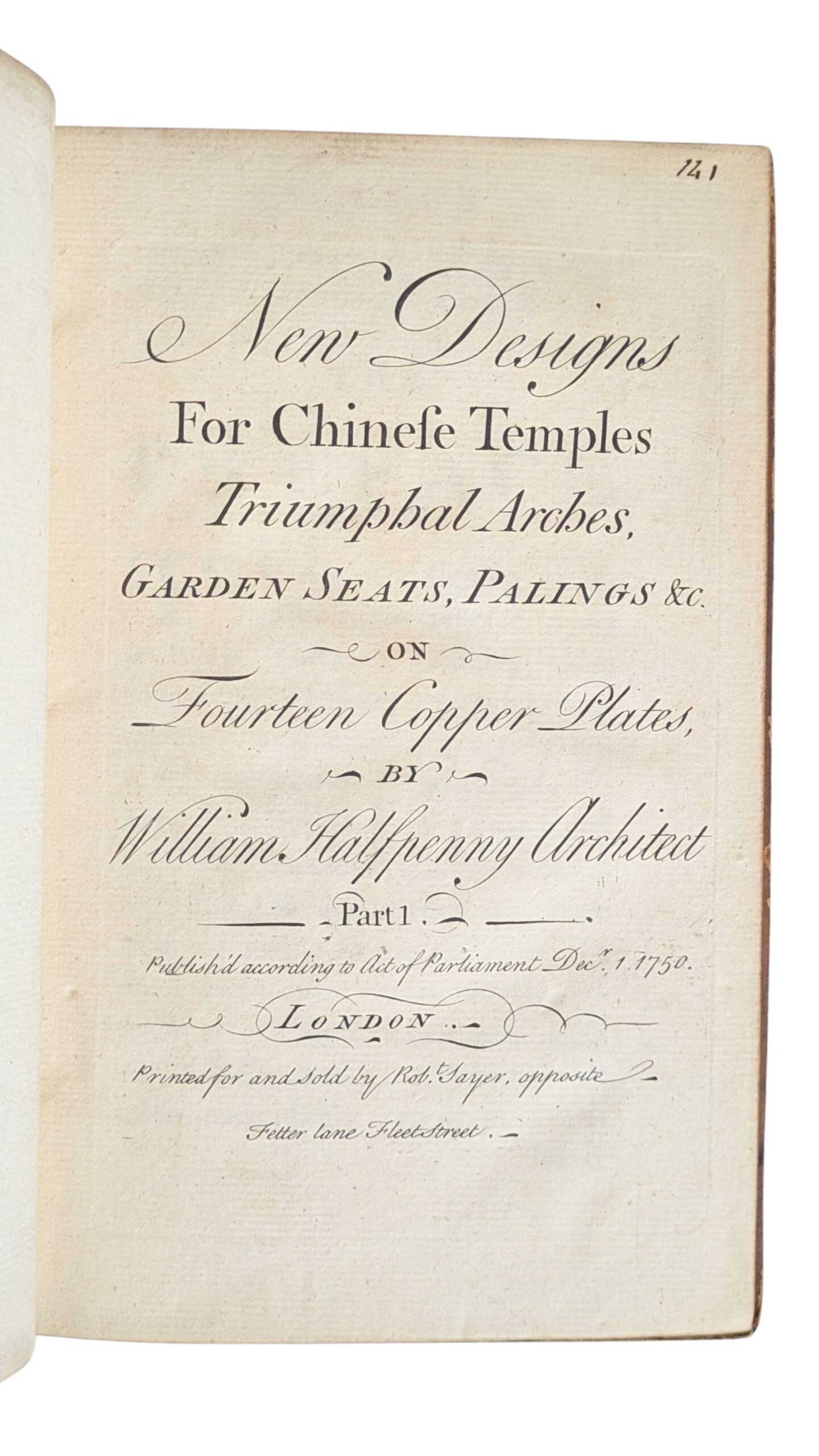
Cale’s library contained several books by architect William Halfpenny which are now extremely rare. Perhaps because they were intended as practical manuals or pattern books for homeowners and builders, they have simply not survived in the way classical textbooks on architecture have. Hertford is lucky to have four works by Halfpenny, all of which were probably from Cale’s collection (the provenance is erased in some of the books but the bindings are consistent with others owned by him).
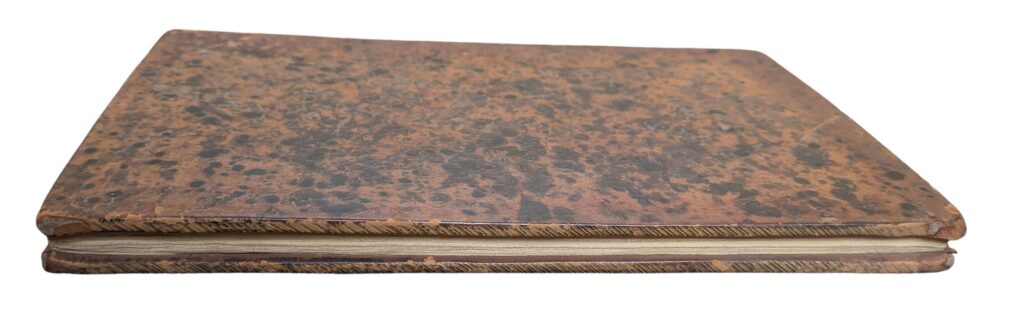
Halfpenny was a British architect and land-surveyor working mainly in London, Bristol and Ireland during the middle of the 18th century. His first books were on practical applications of architecture, giving useful proportions and measurements for builders, though these were largely based on earlier works by Abraham Bosse. He also describes inventions for drawing instruments designed to help formulate proportions and to aid drawing in perspective (as seen in his Perspective made easy … Shewing the use of a new-invented scenographical protractor, printed in 1731).
His later works reflect the increase in building activity during a peaceful time in Britain, particularly the appetite for medium-sized houses in his New and compleat system of architecture delineated, printed in 1749, and drawing on his experience of houses he saw in Ireland designed by Edward Lovett Pearce and Richard Cassels. John Cale’s copy of this work is now in Hertford College Library, along with his later works Six new designs for convenient farm-houses and Rural architecture in the Chinese taste.
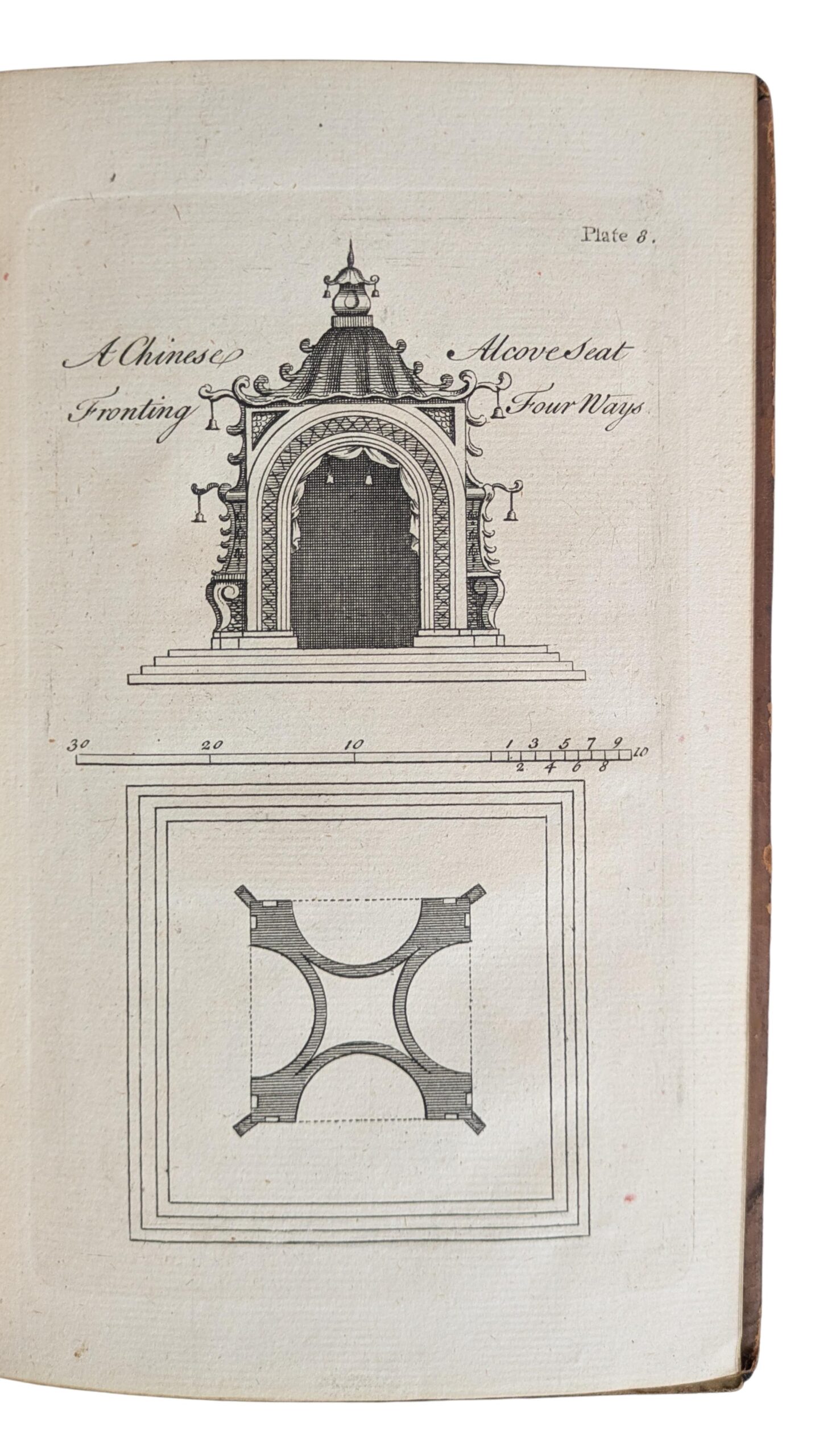
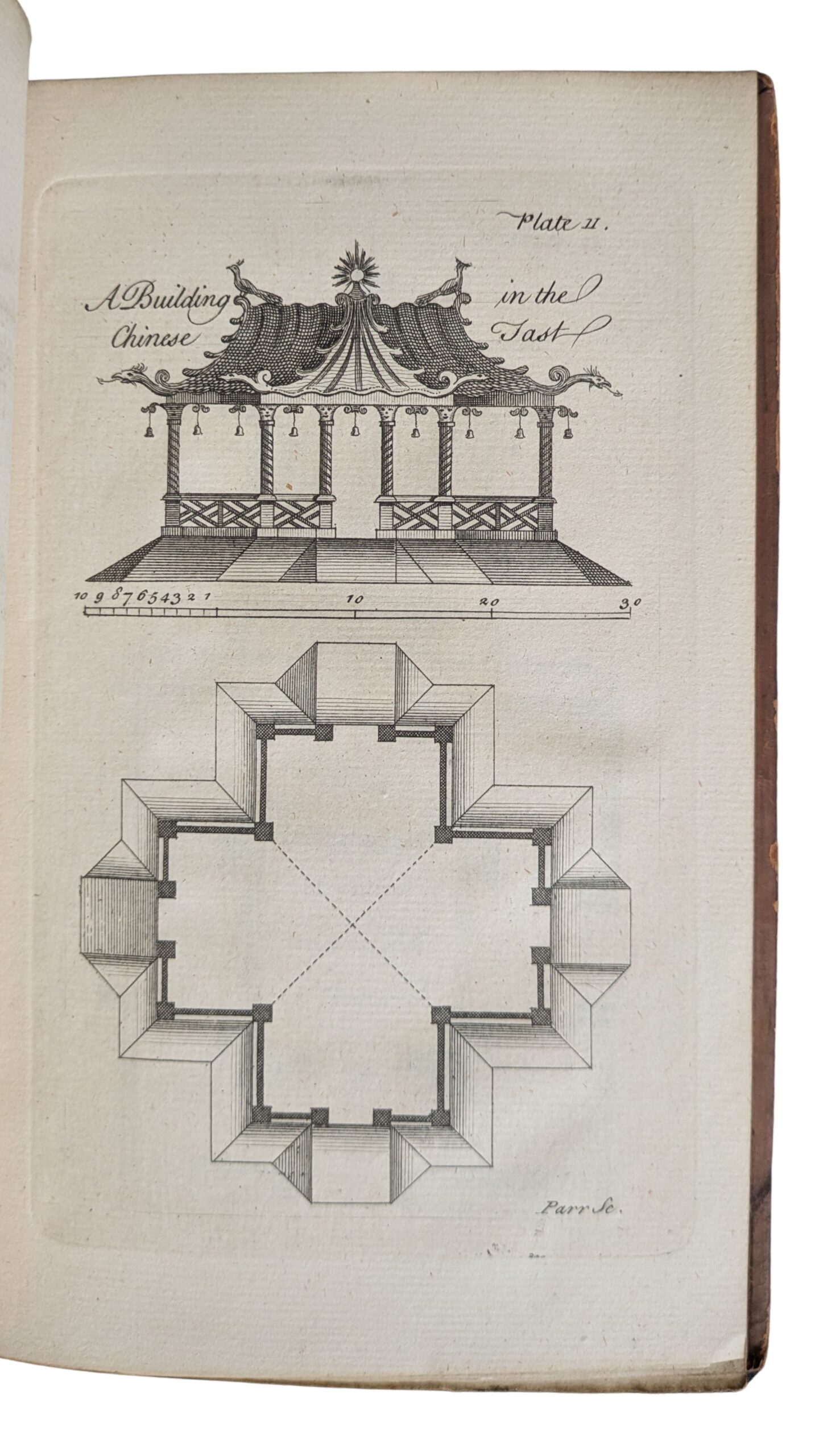
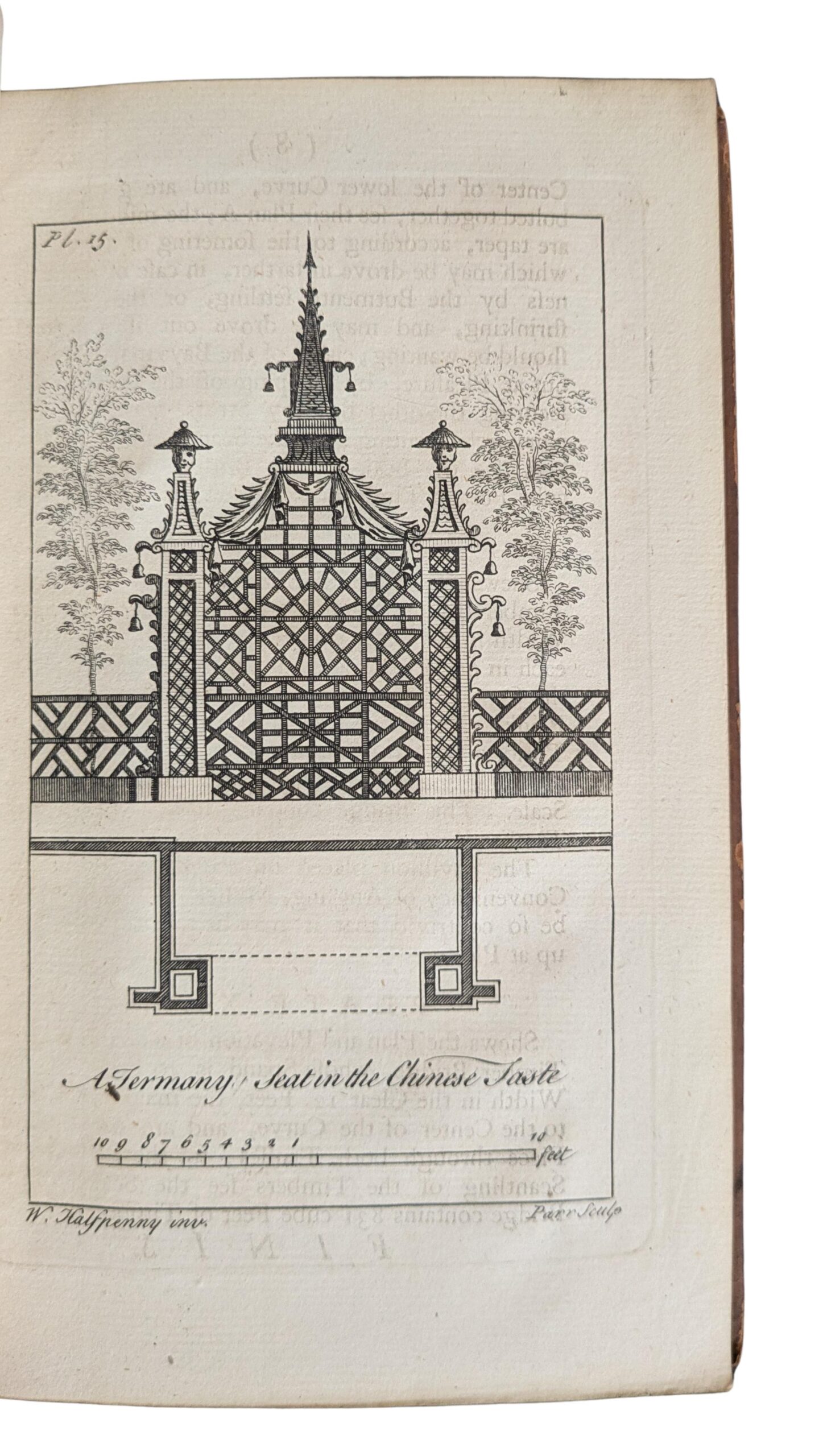
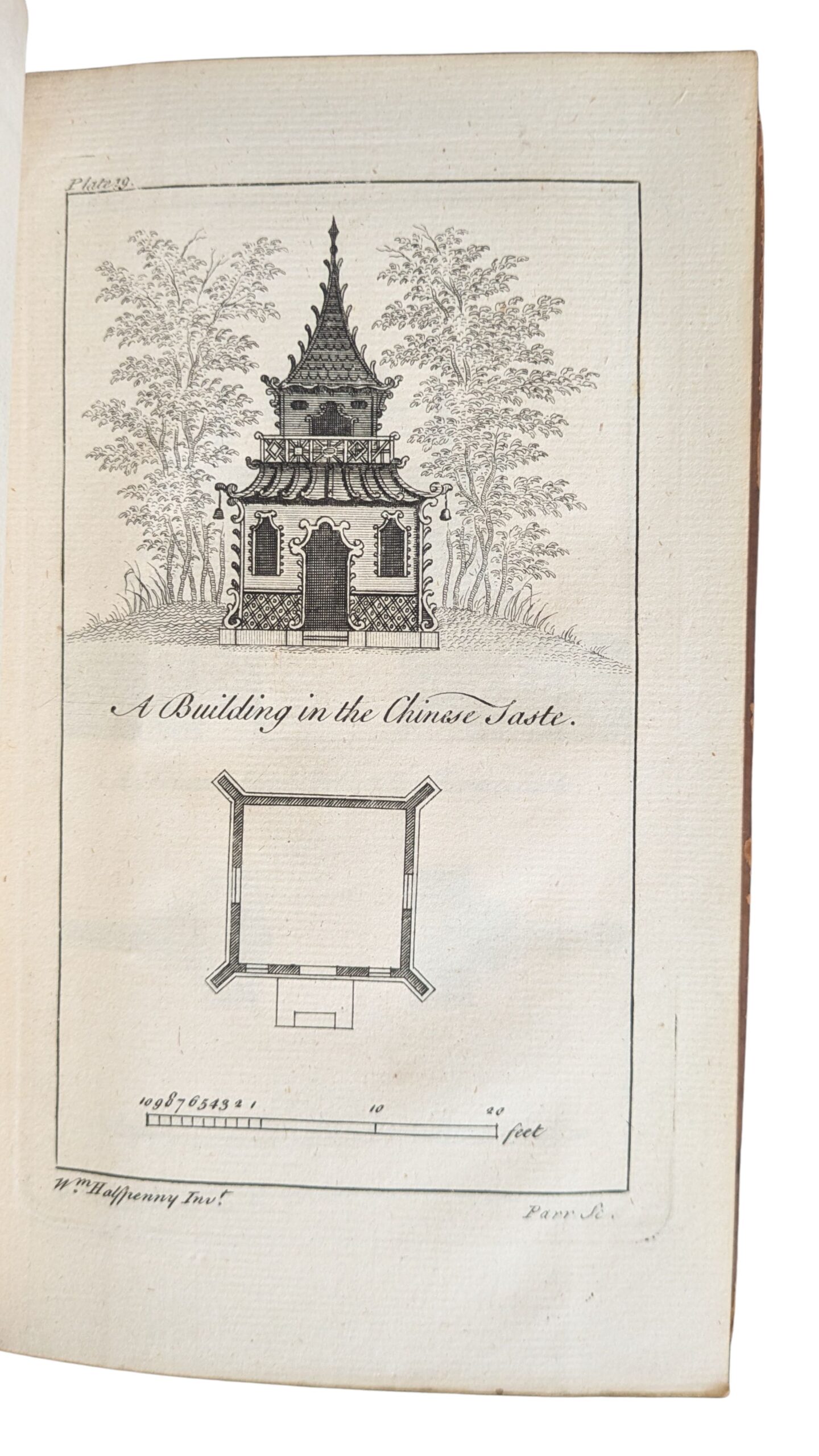
It’s tempting to think of John Cale planning designs on his home in East Barming in Kent, though so far I’ve not been able to find any documents relating to which house may have been his. Within the books catalogued so far which once belonged to Cale (now dispersed through the wider rare books collection) a significant proportion of books are on practical aspects of everyday life. And perhaps very indicative of the sort of libraries owned by ‘gentlemen of middling fortune’, as Halfpenny addresses potential readers of his Twelve beautiful designs for farm houses.
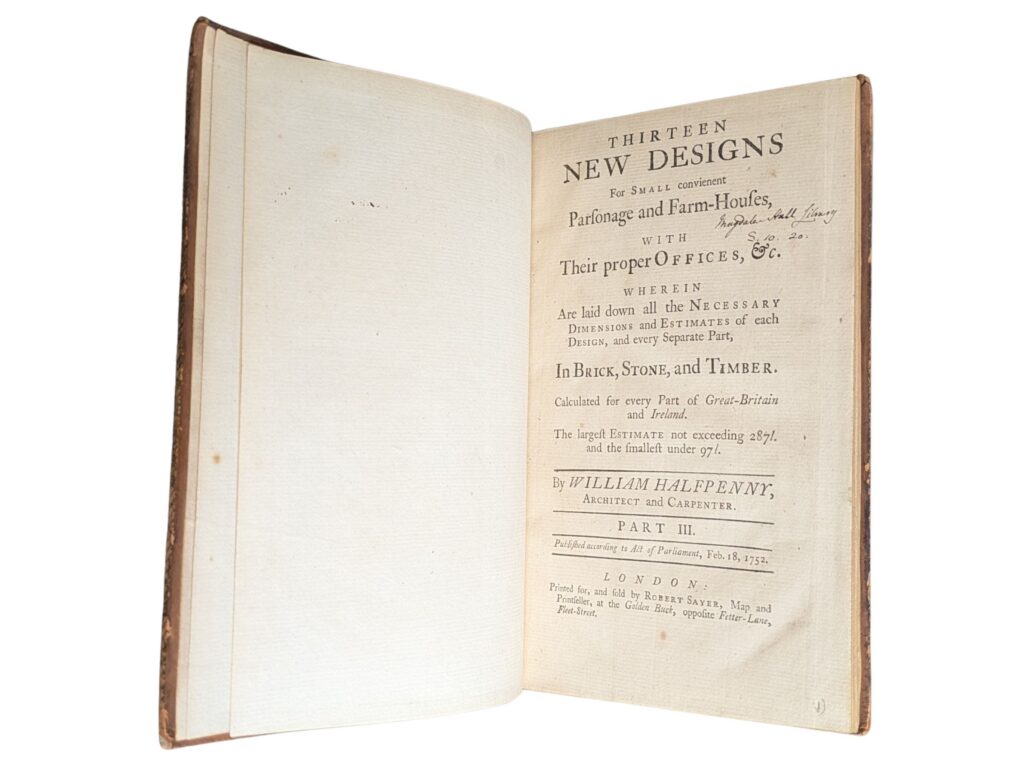
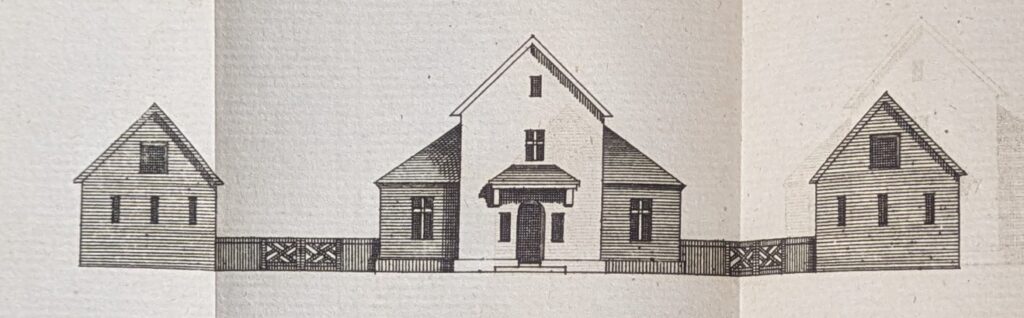
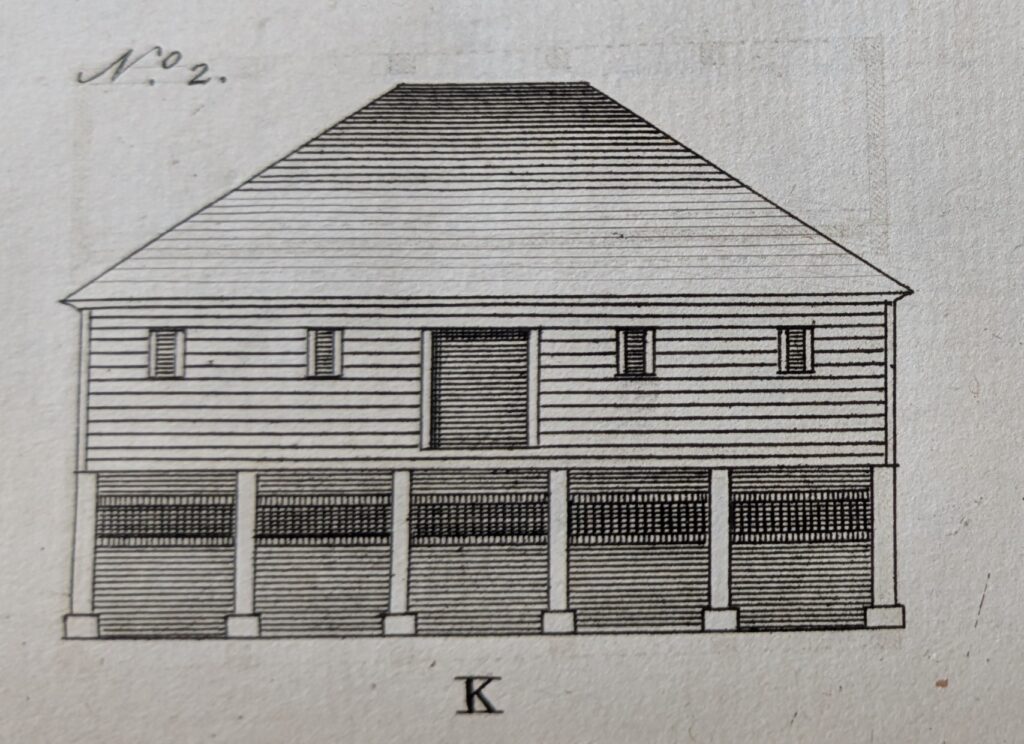
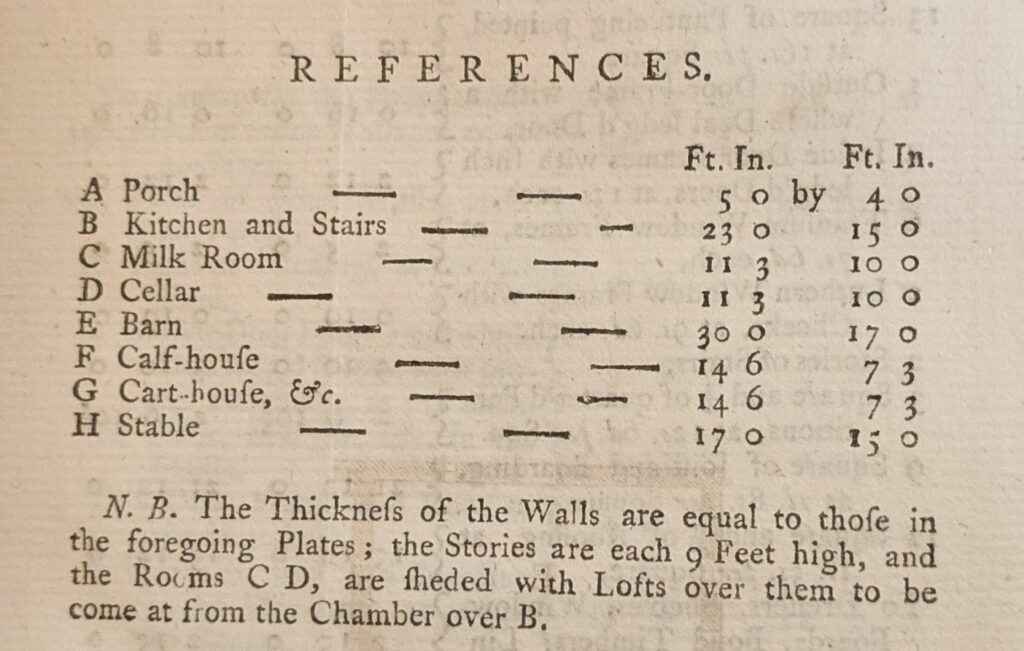
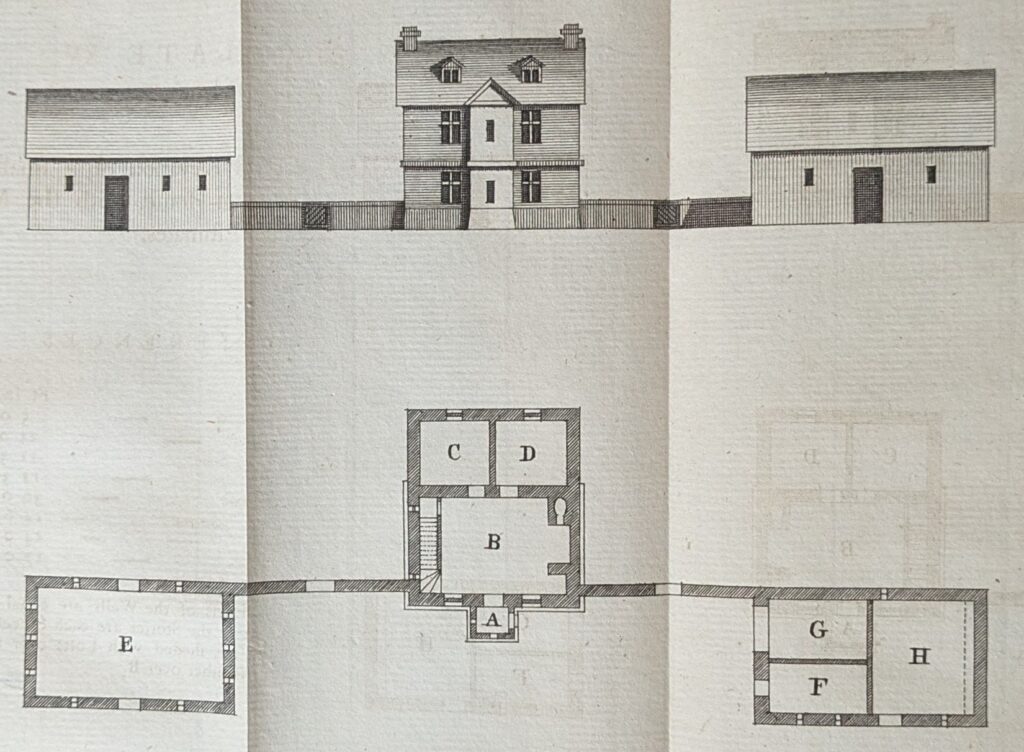
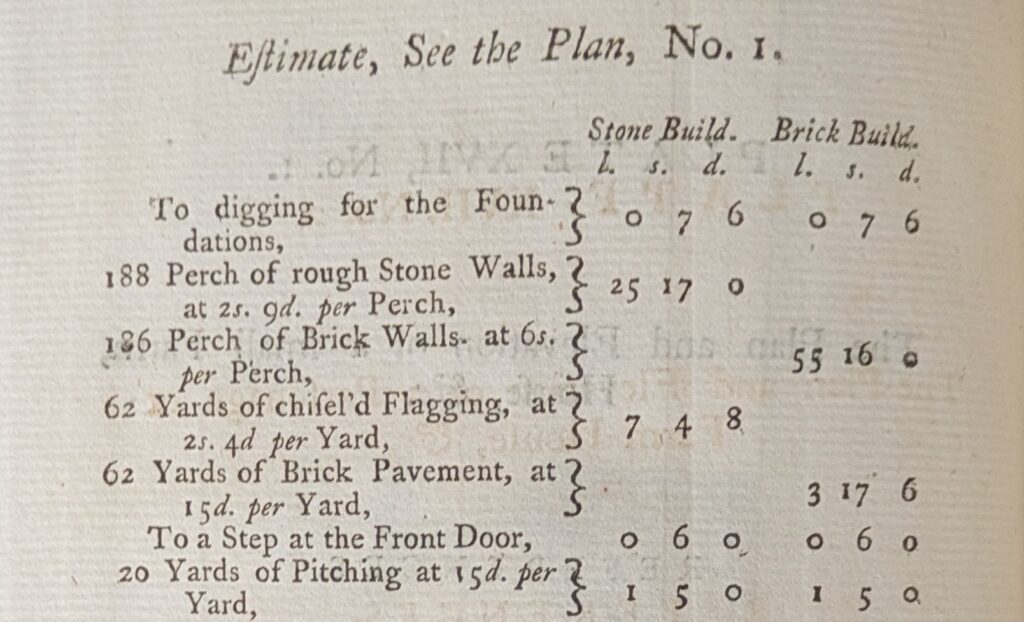
Although it is at times frustrating that Cale’s collection has been broken up within the library, it does also make cataloguing work exciting and it is likely I will come across more books in this subject area, further reflecting Cale’s life and times.
Further reading
Harris, Eileen, ‘Halfpenny, William [pseud. Michael Hoare] (d. 1755), architect and writer on architecture.’ Oxford Dictionary of National Biography, 23 Sept. 2004 (accessed 7 Jan. 2026).
Halfpenny, William & John Halfpenny, Rural architecture in the Chinese taste, 3rd ed. (London, 1751) – free digitised copy (PDF)
Halfpenny, William, Andrea Palladios’ First Book of Architecture (London, 1751) – free digitised copy (PDF)
Halfpenny, William, New Designs for Convenient Farm-Houses (London, 1751) – free digitised copy (PDF)